
If you park outside in Kapolei, Ewa Beach, or anywhere else on West Oahu, you already know how demanding Hawaii’s environment can be on a vehicle.
Strong sunlight, coastal air, sudden rain, road grime, bird droppings, and mineral-heavy water all come into contact with your paint throughout the year. Over time, unprotected paint can begin to lose clarity and gloss, while trim and exposed surfaces may show signs of weathering.
That is one reason many Hawaii drivers consider ceramic coating in Kapolei, HI as part of their vehicle protection plan.
But before investing in ceramic coating, it is important to understand exactly what it can protect against and, just as importantly, what it cannot.
Ceramic coating adds a durable protective layer over properly prepared paint. It can improve water behavior, make contamination easier to remove, enhance gloss, and provide additional resistance against Hawaii’s sun and coastal environment.
It is not, however, a force field.
Ceramic coating will not stop rock chips, eliminate the possibility of scratches, or completely prevent water spots. Your vehicle will still need regular washing and proper maintenance.
Here is what that means for a daily-driven vehicle in Hawaii.
What Ceramic Coating Actually Does
Ceramic coating is a liquid protective product applied directly to prepared automotive paint.
Once properly installed and cured, the coating bonds with the surface and creates a hard, glossy layer over the factory clear coat.
At Love’s Auto Detail, we install professional System X ceramic coatings. Proper preparation is an important part of the process because ceramic coating should be applied to clean, properly prepared paint rather than over contamination, oxidation, old wax, or other residue.
Depending on the vehicle and package, preparation can include paint decontamination and a single-stage paint enhancement before the coating is installed.
Once applied, ceramic coating provides several practical benefits.
Additional UV Protection
Hawaii receives strong sunlight throughout the year.
Vehicles parked outdoors regularly expose their hood, roof, trunk, and upper panels to hours of direct sunlight. Over time, UV exposure can contribute to oxidation, fading, and loss of paint clarity.
Ceramic coating provides an additional UV-resistant layer over the factory clear coat.
It does not make paint completely immune to sun damage, but it creates another layer of protection between the environment and your vehicle’s finish.
For vehicles that spend much of their life outside in Kapolei and surrounding areas, that additional protection can be valuable.
Hydrophobic Water Behavior
One of the easiest ceramic coating benefits to notice is how water behaves on the surface.
A ceramic-coated vehicle develops hydrophobic properties, causing water to bead and move across the paint more easily.
This can make washing and drying more manageable and reduce how strongly road grime and contamination stick to the surface.
For vehicles exposed to Hawaii’s sudden rain showers, easier water management can be a useful everyday benefit.
However, hydrophobic does not mean water-spot-proof.
More on that shortly.
Easier Removal of Everyday Contamination
A daily-driven vehicle comes into contact with many different contaminants.
That may include:
- Salt and coastal residue
- Bird droppings
- Tree sap
- Road film
- Dust
- Insects
- Sunscreen residue
- Environmental fallout
Ceramic coating helps create a slicker, more chemically resistant surface, which can make many of these contaminants easier to remove during normal maintenance.
This does not mean contamination should be ignored.
Bird droppings, tree sap, mineral deposits, and other aggressive contaminants should still be removed as soon as reasonably possible.
Enhanced Gloss and Paint Clarity
Ceramic coating can also enhance the appearance of properly prepared paint.
Because the vehicle is cleaned and prepared before coating installation, the finished surface can appear deeper, glossier, and more consistent.
This is especially noticeable on darker colors, although vehicles of nearly every color can benefit from improved paint clarity.
The important point is that the coating protects the condition of the surface underneath it.
That is why professional preparation matters.
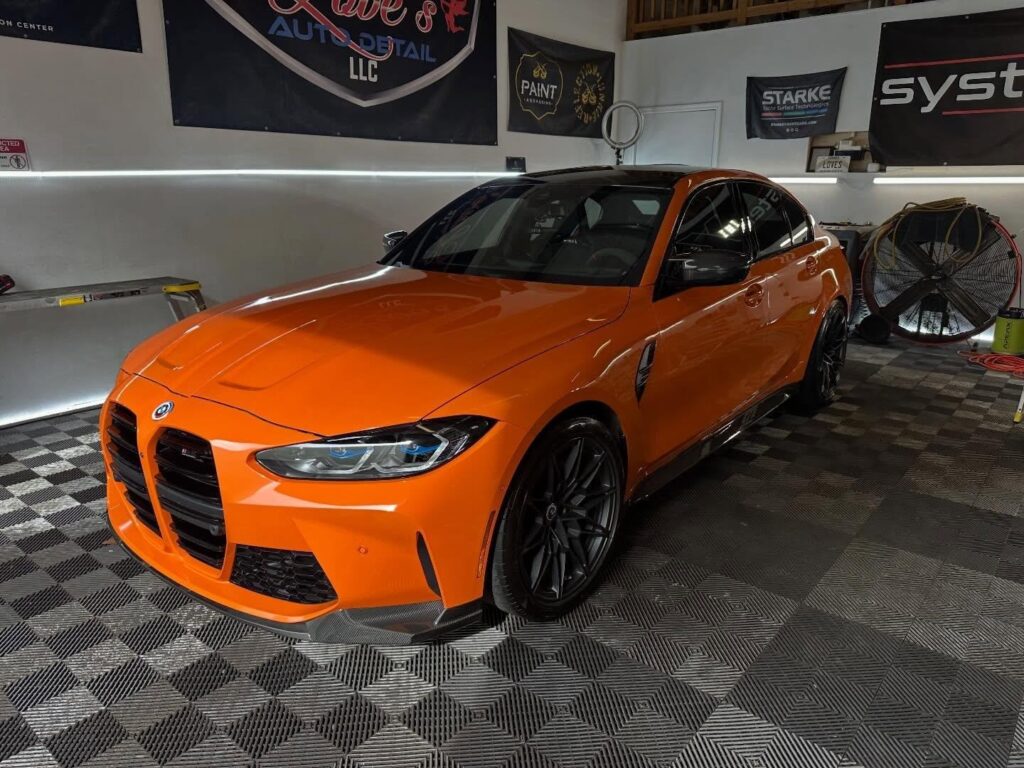
What Ceramic Coating Does Not Do
This is where realistic expectations become important.
Ceramic coating is sometimes marketed as though it can make vehicle paint nearly indestructible.
That is not accurate.
A professional ceramic coating provides meaningful protection, but it has limits.
Ceramic Coating Is Not Scratch-Proof
Ceramic coating will not stop every scratch.
A shopping cart can still damage the paint.
A low-hanging branch can still leave a mark.
Gravel or road debris can still create chips.
Poor washing techniques can still introduce swirl marks.
Ceramic coating provides additional surface protection and makes the vehicle easier to maintain, but it should not be confused with physical impact protection.
If protection against rock chips and heavier physical damage is your priority, Paint Protection Film, or PPF, serves a different purpose.
Ceramic Coating Does Not Completely Prevent Water Spots
This is particularly important for Hawaii vehicle owners.
Water spots form when water containing minerals remains on a surface and evaporates.
The water disappears, but mineral deposits remain behind.
That can happen on ceramic-coated paint just as it can on untreated paint.
Hawaii conditions can make this especially noticeable because a short rain shower may quickly be followed by strong sunlight.
Water sitting on a hot hood, roof, or trunk can dry rapidly and leave deposits behind.
Ceramic coating helps water bead and move across the surface more easily, but the best protection against water spotting is still proper washing and drying.
Whenever practical, avoid allowing mineral-heavy water to repeatedly dry naturally on the vehicle.
If significant water spots already exist before ceramic coating installation, they may also need to be addressed separately before the coating is applied.
Ceramic Coating Will Not Repair Existing Paint Damage
If your paint already has swirl marks, oxidation, scratches, or etched water spots, ceramic coating will not erase those defects.
In some cases, applying a glossy coating can make existing imperfections easier to see.
That is why paint inspection and preparation should happen first.
Depending on the vehicle’s condition, paint enhancement or more extensive paint correction may be recommended before coating installation.
The goal is to improve the surface first and then protect that improved finish.
Why Salt Air Matters for West Oahu Drivers
Drivers in Kapolei, Ewa Beach, Waipahu, Waianae, and surrounding parts of West Oahu regularly operate in a coastal environment.
Even if your vehicle is not parked directly beside the ocean, airborne salt and coastal contamination can settle on exterior surfaces.
Salt residue can accumulate on:
- Paint
- Wheels
- Trim
- Exhaust tips
- Glass
- Exposed metal components
Ceramic coating does not stop salt from reaching the vehicle.
Instead, it helps create a surface from which salt residue and coastal grime can be easier to remove during routine washing.
That matters because the longer contamination sits on automotive surfaces, the more opportunity it has to affect the finish.
Regular rinsing and washing remain important, particularly for vehicles frequently driven near coastal areas.
A Simple Maintenance Routine for Ceramic-Coated Cars in Hawaii
Ceramic coating changes how easy your vehicle is to maintain.
It does not eliminate maintenance.
You do not need an entire cabinet filled with detailing chemicals to care for a coated vehicle. A few consistent habits can make a significant difference.
Wash the Vehicle Regularly
Do not wait until the car looks extremely dirty.
Dust, salt film, road grime, and environmental contamination can accumulate even when they are not immediately obvious.
For vehicles frequently parked outside or driven near coastal areas, routine washing helps prevent contamination from sitting on the coating for extended periods.
How often you need to wash depends on where the vehicle is parked, how much it is driven, and its level of environmental exposure.
Use Automotive-Safe Products
For routine washing, use a quality automotive shampoo and clean wash media.
Avoid household dish soap and unnecessarily aggressive cleaners.
A soft wash mitt and clean microfiber towels help reduce unnecessary friction against the surface.
The ceramic coating protects the vehicle, but careless washing can still create swirl marks.
Dry the Vehicle After Washing
Whenever possible, do not allow the vehicle to simply air-dry in strong sunlight.
Dry the paint using clean, soft microfiber towels or appropriate automotive drying equipment.
Pay particular attention to horizontal panels such as the hood, roof, and trunk.
These surfaces tend to hold water while also receiving significant direct sunlight.
Remove Contamination Promptly
Bird droppings, tree sap, insects, sunscreen residue, and other contamination should not remain on the vehicle for days simply because the paint has ceramic coating.
One advantage of coated paint is that contamination is often easier to remove.
Take advantage of that benefit and clean aggressive contaminants before they have an opportunity to remain on the surface.
Avoid Aggressive Automatic Car Washes
Automatic brush washes may introduce fine scratches and swirl marks regardless of whether a vehicle is coated.
If maintaining the paint finish is important to you, careful hand washing or an appropriate touchless option is generally preferable.
Ceramic coating can make the washing process easier, but it cannot protect against every form of mechanical abrasion.
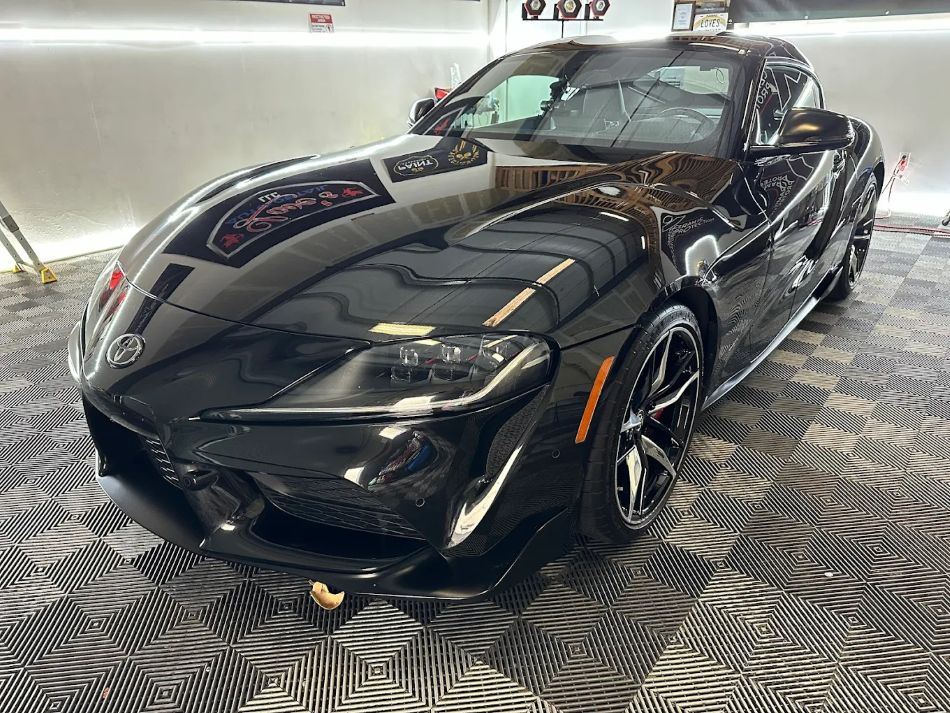
Ceramic Coating vs. Regular Wax
If ceramic coating still requires washing and maintenance, you may wonder why you would choose it instead of simply waxing your vehicle.
The biggest difference comes down to durability, surface behavior, and maintenance frequency.
Traditional automotive wax can add gloss and short-term protection, but it generally needs to be reapplied more frequently.
That can become particularly noticeable in Hawaii where the vehicle is exposed to strong sunlight throughout the year.
Professional ceramic coating is designed around longer-lasting protection and stronger hydrophobic behavior.
This makes it appealing to vehicle owners who want durable protection without repeatedly applying traditional wax.
Wax still has its place, particularly for owners who enjoy regularly maintaining their vehicles.
Ceramic coating simply provides a different type of protection.
Ceramic Coating Still Needs Maintenance
One of the most damaging ceramic coating myths is that the vehicle becomes maintenance-free after installation.
It does not.
A coated car still accumulates salt, dust, sap, road film, and other contamination.
If a vehicle is not washed for months, those materials are still sitting on the surface.
The coating helps make that contamination easier to remove and provides an additional protective barrier, but regular washing is what allows the coating to continue performing effectively.
Think of ceramic coating as making good vehicle maintenance easier, rather than replacing vehicle maintenance entirely.
Choosing the Right System X Ceramic Coating
Love’s Auto Detail offers professional System X ceramic coating in Kapolei with different coating options available depending on the vehicle and owner’s goals.
Current options include:
System X Crystal SS
A shorter-term option for drivers who want professional ceramic protection without necessarily planning around very long vehicle ownership.
System X Pro
A longer-term option that may make sense for owners planning to keep their vehicle for several years.
System X Max
A premium long-term protection option for owners who plan to keep their vehicle and want the highest-tier System X coating currently offered by Love’s Auto Detail.
The right coating is not automatically the highest tier.
Your decision should consider how long you plan to keep the car, where it is parked, how frequently it is driven, its current paint condition, and how you plan to maintain it.
A professional inspection can help determine which option makes the most sense.
Is Ceramic Coating Worth It for a Vehicle Parked Outside in Kapolei?
For many owners, yes.
A vehicle parked outdoors receives constant environmental exposure whether it is being driven or not.
Sunlight hits the paint.
Dust and salt residue settle on the surface.
Rainwater dries.
Bird droppings and tree contamination appear.
Ceramic coating adds another protective layer while making regular washing easier.
For someone who cares about preserving the appearance of their vehicle and making exterior maintenance more manageable, that can offer meaningful practical value.
FAQ: Ceramic Coating in Hawaii
Does ceramic coating stop water spots in Hawaii?
No. Ceramic coating improves water behavior, but mineral deposits can still remain when water dries on the surface.
Proper washing and drying are still important for reducing water spots.
Will ceramic coating prevent my paint from fading?
Ceramic coating provides additional UV-resistant protection that can help reduce environmental exposure, but it does not make paint completely immune to fading or oxidation.
Proper maintenance and parking in shade when possible still help.
Does ceramic coating protect against Hawaii’s salt air?
Ceramic coating can make salt residue and coastal contamination easier to remove from painted surfaces.
It does not completely prevent salt from reaching the vehicle or stop corrosion on every exposed metal component.
Is ceramic coating scratch-proof?
No.
Ceramic coating is not scratch-proof, chip-proof, or damage-proof.
It provides surface protection and easier maintenance, but physical impacts can still damage the vehicle.
Do I still need to wash my vehicle after ceramic coating?
Yes.
Regular washing removes dust, salt, road grime, bird droppings, and other contamination that continues to accumulate on a coated vehicle.
How long does ceramic coating last in Hawaii?
Ceramic coating longevity depends on the specific System X coating selected, environmental exposure, parking conditions, and maintenance.
The appropriate coating option should be selected based on your vehicle and ownership plans rather than assuming the longest-duration option is automatically necessary.
The Bottom Line
Ceramic coating can be a valuable form of paint protection for vehicles living in Hawaii’s sun and coastal environment.
It provides additional UV resistance, hydrophobic water behavior, easier cleaning, improved gloss, and protection against many forms of everyday environmental contamination.
But it is not a replacement for proper vehicle care.
Ceramic coating will not stop every scratch, prevent every water spot, eliminate rock chips, or remove the need for washing.
The biggest advantage is that it gives your vehicle another protective layer while making good maintenance easier.
If you are considering ceramic coating in Kapolei, HI, Love’s Auto Detail can inspect your vehicle, evaluate the condition of the paint, and help determine which System X coating option makes the most sense for how you drive, park, and maintain your vehicle.