
Ceramic coating can dramatically improve gloss, hydrophobic behavior, and long-term ease of maintenance.
But there is one important detail that sometimes gets overlooked:
A ceramic coating protects the surface that already exists underneath it.
If the paint has swirl marks, oxidation, water spots, polishing haze, or other visible defects, simply covering the vehicle with ceramic coating will not make those imperfections disappear.
That is why paint correction before ceramic coating in Kapolei can be one of the most important parts of the entire installation process.
Professional coating is not simply about the bottle of product being applied.
Preparation determines much of the final result.
What Is Paint Correction?
Paint correction is a controlled polishing process used to improve defects within the vehicle’s clear coat.
Common defects include swirl marks, light scratches, oxidation, haze, water-spot etching, and holograms caused by improper polishing.
Rather than covering those imperfections with wax or glaze, paint correction uses professional polishing compounds, pads, machines, and techniques to carefully refine the clear coat.
The objective is to improve clarity and gloss while preserving as much healthy clear coat as possible.
When done correctly, paint correction can transform paint that appears tired or dull into a significantly cleaner, more reflective finish.
Why Paint Correction Matters Before Ceramic Coating
Imagine painting a clear protective layer over a scratched piece of furniture.
The protective layer may make the surface shinier, but it does not automatically remove the scratches underneath.
Ceramic coating follows a similar principle.
Once applied and cured, the coating can preserve the appearance of the prepared paint below it.
That makes the condition of that paint important.
If visible swirl marks are left behind before ceramic coating, you may continue seeing those swirls every time sunlight hits the vehicle.
If water spots have etched into the clear coat, they may remain visible under the coating.
Professional preparation is therefore about getting the underlying finish into an appropriate condition before adding long-term protection.
Where Do Swirl Marks Come From?
Many vehicle owners are surprised when they first see their paint under a strong inspection light.
What looked glossy in normal shade suddenly reveals thousands of fine circular marks.
These are commonly called swirl marks.
They can develop from automatic car washes, dirty wash mitts, incorrect drying towels, contaminated microfiber, aggressive polishing, or repeatedly rubbing dirt across the paint.
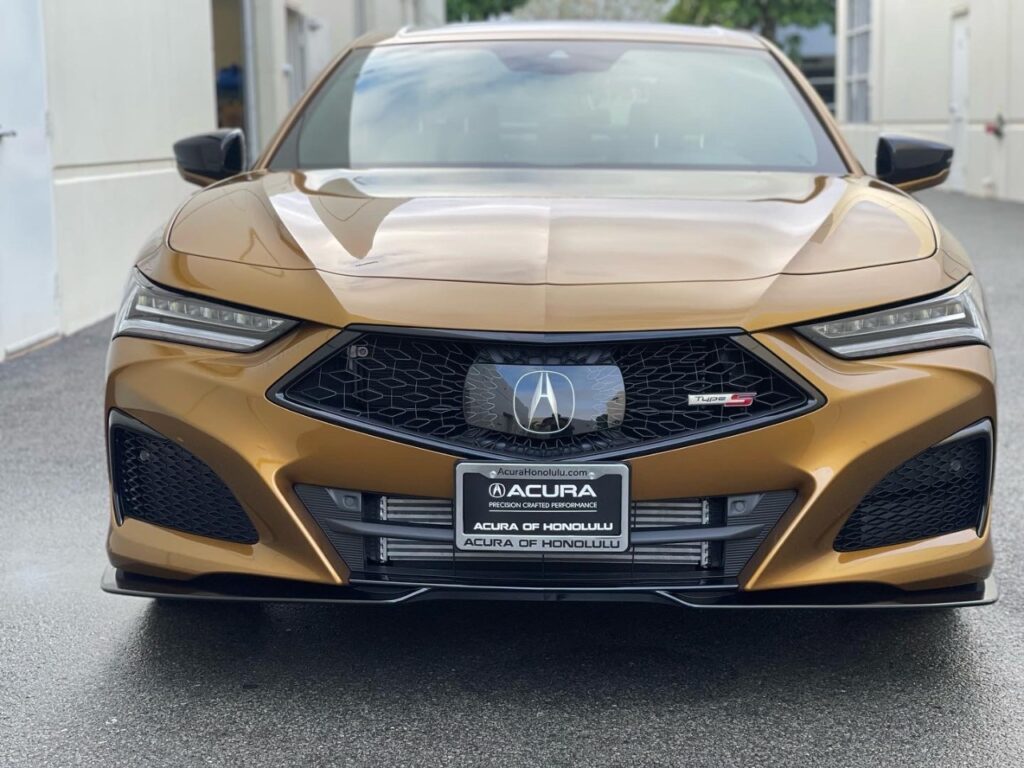
Dark-colored vehicles often show these defects more clearly, although they occur on vehicles of every color.
Hawaii vehicles can also experience embedded contamination, mineral deposits, and water spotting because of the local environment.
That combination can gradually reduce paint clarity even when the vehicle still looks reasonably clean from a distance.
Does Every Vehicle Need Full Paint Correction?
No.
This is an important distinction.
Professional detailing should be based on vehicle condition and customer goals, not automatically selling the most aggressive process available.
A newer or well-maintained vehicle may need only decontamination and a light paint enhancement.
Another vehicle with heavier swirl marks and oxidation may benefit from more substantial correction.
An older enthusiast vehicle being prepared for a show-quality finish could require considerably more refinement.
The right process depends on the paint.
This is why inspection comes first.
What About Brand-New Cars?
New cars can also benefit from paint preparation.
Vehicles are transported, stored, washed, and handled before reaching the final owner.
Dealership preparation does not always follow the same paint-safe procedures used by a professional detailer.
As a result, a vehicle with only a few miles on the odometer may still show light swirls, water spots, or polishing marks.
That does not mean every new car requires extensive correction.
It means its paint should be evaluated instead of assuming that “new” equals defect-free.
Decontamination Comes Before Polishing
Paint correction is not the first thing that happens.
The vehicle first needs to be thoroughly cleaned.
Road film, loose dirt, brake dust, tar, mineral deposits, and bonded contaminants should be addressed before polishing begins.
Clay bar treatment or other decontamination processes may be used when appropriate.
This creates a cleaner working surface and reduces the risk of dragging contamination across the paint during polishing.
At Love’s Auto Detail, ceramic coating packages include paint decontamination and a single-stage paint enhancement as part of preparation.
That preparation helps create a cleaner surface before the coating is applied.
Why Hawaii Vehicles Often Need Extra Attention
Oahu’s environment presents several challenges for automotive finishes.
Vehicles are frequently exposed to strong sunlight, coastal air, rain, water minerals, road contamination, tree sap, bird droppings, and outdoor parking.
Paint can accumulate contamination even when owners wash their vehicles regularly.
Water spotting is particularly common.
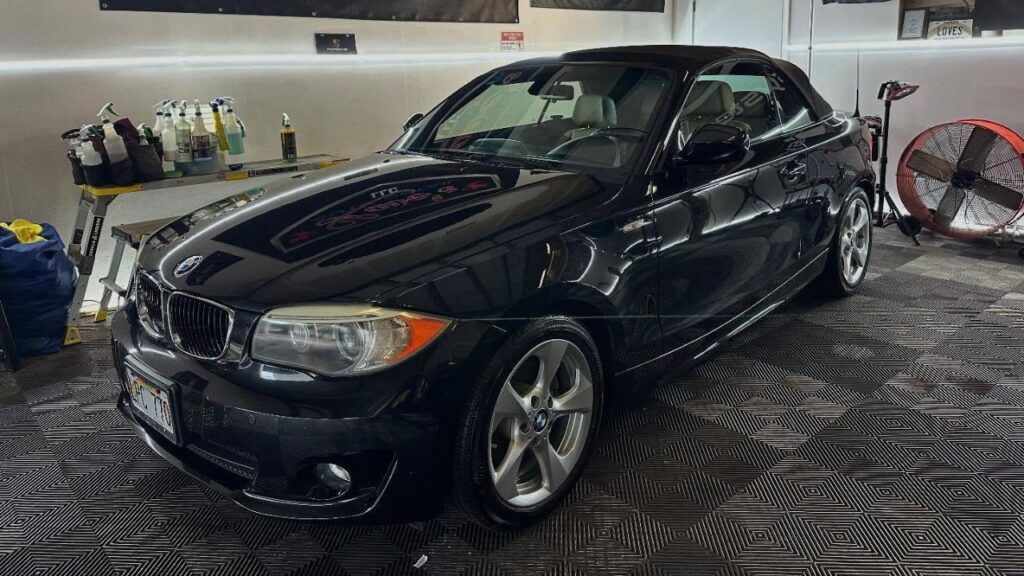
When mineral-rich water dries on paint or glass, deposits can remain behind. If those deposits are ignored for long periods, they may become more difficult to remove.
Paint correction and specialized water-spot removal may therefore become part of preparing some vehicles for coating.
Does Paint Correction Remove Every Scratch?
No.
Paint correction works by refining defects within the clear coat.
If a scratch has penetrated deeply through the clear coat or into the color layer beneath it, aggressively chasing the defect could remove too much material.
A responsible detailer should prioritize the health of the paint rather than attempting to erase every mark at any cost.
Some deeper defects may be improved rather than completely removed.
Other damage may require touch-up paint or body-shop repair.
This is another reason experience matters.
Knowing what not to polish aggressively can be just as important as knowing how to polish.
Ceramic Coating Locks In the Result
Once paint correction or enhancement is complete, the surface can be prepared for ceramic coating.
The polishing oils and residue need to be removed so the coating can properly contact the surface.
The coating is then carefully applied and allowed to cure according to the specific product process.
At this point, the coating enhances and protects the newly prepared finish.
This combination is why paint correction and ceramic coating work so well together.
Correction focuses on improving what is already there.
Ceramic coating focuses on protecting and maintaining that improved surface.
They solve different problems.
Paint Correction vs Ceramic Coating
These services are sometimes treated as interchangeable, but they are not.
Paint correction addresses existing imperfections.
Ceramic coating adds protection.
A vehicle can receive paint correction without ceramic coating, although some form of protection afterward is usually desirable.
A vehicle can also receive ceramic coating without intensive correction if its paint is already in excellent condition.
The appropriate combination depends on the car and the owner’s expectations.
Why Professional Inspection Is Worth It
Online photographs cannot always reveal the real condition of paint.
Lighting changes everything.
A black vehicle that appears flawless under cloudy skies may show significant wash-induced marks under direct sunlight.
Professional inspection lighting helps reveal these defects.
An experienced detailer can then discuss realistic expectations with the owner before work begins.
At Love’s Auto Detail, owner-operator Joey Love brings more than two decades of detailing experience to services that include paint correction, water-spot removal, ceramic coating, and professional automotive detailing.
That experience becomes particularly valuable when determining the right level of correction before coating.
How to Keep Corrected Paint Looking Better
After correction and coating, maintenance matters.
Safe hand washing helps minimize new swirl marks.
Clean microfiber towels, appropriate wash mitts, pH-neutral products, and careful drying techniques all contribute to preserving the finish.
Automatic brush washes should generally be avoided if keeping corrected paint looking its best is a priority.
Ceramic coating helps with maintenance, but it cannot compensate for repeated abrasive washing.
The better the maintenance routine, the longer the polished finish can retain its clarity.
Paint Correction Before Ceramic Coating in Kapolei, HI
If you are considering ceramic coating, do not evaluate the coating alone.
Evaluate the condition of the paint that will be underneath it.
A professional inspection can determine whether your vehicle needs decontamination, light paint enhancement, more extensive correction, or minimal polishing before protection.
Love’s Auto Detail provides paint correction and ceramic coating in Kapolei, HI, helping vehicle owners prepare and protect their finishes using professional processes and System X coating options.
The best coating result begins before the coating bottle is opened.
It begins with the paint.