
Most daily-driven vehicles in West Oahu benefit from professional detailing every three to four months, supported by lighter washing and interior maintenance between appointments.
However, no single schedule works for every vehicle.
A car parked outside near the coast in Ewa Beach or Waianae may require professional attention more frequently than a vehicle stored in a Pearl City garage. Beach trips, children, pets, daily commuting, and the condition of the paint and interior also influence the ideal schedule.
The best approach is to evaluate your vehicle’s actual exposure instead of relying entirely on the calendar.
Why Hawaii Can Be Hard on Vehicles
Several environmental conditions affect vehicles throughout Oahu.
Continuous UV Exposure
Hawaii receives strong sunlight throughout the year. Regular UV exposure contributes to fading, paint oxidation, and deterioration of interior materials.
Dashboards, leather, vinyl, exterior trim, and horizontal painted panels can all show wear when a vehicle is consistently parked outside.
Coastal Salt Air
Salt in the air settles on vehicle paint, wheels, trim, and exposed metal.
This is especially relevant for vehicles regularly driven through coastal communities or parked near the ocean. Salt residue should be removed before it accumulates and contributes to deterioration.
Beach Sand
Sand enters carpeting, floor mats, seat seams, and cargo areas.
Because sand is abrasive, leaving it inside the vehicle can gradually wear carpet and upholstery as passengers continue stepping or sitting on it.
Sudden Rain and Water Spots
A brief rain shower does not necessarily clean the car. Rain mixing with dust and salt can leave streaks and mineral deposits.
When strong sunlight returns immediately after a shower, water can evaporate quickly and leave visible spotting.
Humidity and Interior Odors
Damp towels, swimsuits, spilled drinks, and moisture trapped in carpet or upholstery can create unpleasant odors.
Hawaii’s humidity can make it more difficult for a closed vehicle interior to dry completely.
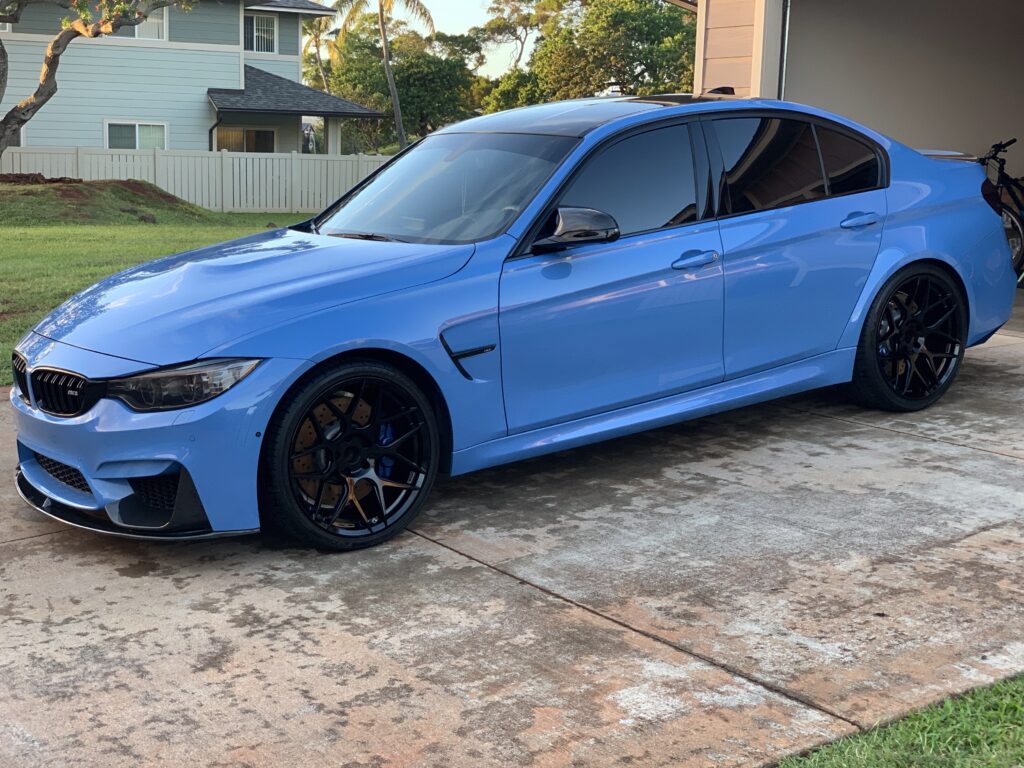
Recommended Detailing Frequency by Exposure Level
Heavy Exposure: Every 8–12 Weeks
Consider detailing every eight to twelve weeks if your vehicle:
- Is parked outside full-time
- Travels near the coast regularly
- Goes to the beach frequently
- Carries wet towels, surf equipment, or sandy gear
- Transports children or pets regularly
- Accumulates visible contamination quickly
Lighter washes and interior vacuuming should still be performed between professional details.
Moderate Exposure: Every 3–4 Months
A three-to-four-month schedule is a reasonable baseline for many daily commuters.
This category may apply if the vehicle:
- Is driven most days
- Is parked outside at home or work
- Visits the beach occasionally
- Carries passengers regularly
- Receives some at-home cleaning between appointments
This interval helps prevent exterior and interior buildup from becoming difficult to remove.
Lighter Exposure: Every 4–6 Months
Vehicles with lower environmental exposure may be able to wait four to six months between full details.
This may apply when the car:
- Is parked in a garage or carport
- Receives relatively limited daily use
- Rarely goes to the beach
- Has no pets or young children riding regularly
- Is washed and vacuumed consistently
Even garage-kept vehicles need routine cleaning. Covered parking reduces exposure but does not prevent dust, interior wear, or contamination.

Signs Your Vehicle Needs Detailing Now
Your vehicle’s condition is often a better guide than a predetermined date.
Consider scheduling a detail if you notice:
- Paint that looks dull or flat in direct sunlight
- Water that no longer beads on the exterior
- Sand embedded in carpet or floor mats
- A musty or persistent interior odor
- Sticky dashboards, door panels, or seats
- Sunscreen or lotion residue on interior surfaces
- Brake dust that does not come off with a quick rinse
- Hazy or streaked interior glass
- Stains in carpets or upholstery
- Visible salt film or road grime
If several signs appear at the same time, the vehicle is probably overdue for more than a basic wash.
Create a Practical Maintenance Schedule
Professional detailing should be supported by regular maintenance.
Weekly or Every Two Weeks
Rinse or wash the exterior, particularly after:
- Beach trips
- Coastal driving
- Driving in heavy rain
- Parking under trees
- Long periods of outdoor parking
This helps remove salt, sand, dust, and organic contamination.
Monthly
Perform a basic interior reset:
- Vacuum carpets and floor mats
- Remove sand from seat seams
- Wipe the dashboard and door panels
- Clean cupholders
- Wipe interior glass
- Remove wet towels and unnecessary beach equipment
Monthly maintenance reduces the amount of deep cleaning required later.
Every Two to Four Months
Schedule a professional detail based on the vehicle’s exposure and condition.
Professional services may include exterior washing, clay-bar treatment, wheel and tire cleaning, interior vacuuming, carpet or seat cleaning, leather conditioning, glass cleaning, and additional treatments depending on the selected package.
Learn more in our complete guide to detailing services in Kapolei.
Detailing Schedules for Different Drivers
Families With Children
Food crumbs, spilled drinks, sticky surfaces, and car-seat buildup can develop quickly.
Vacuuming and wiping high-contact areas between professional details can prevent minor messes from becoming persistent stains or odors.
Families may benefit from the more frequent end of the recommended detailing range.
Beachgoers
Beach vehicles encounter sand, salt, wet clothing, and damp equipment.
Shake out towels and beach equipment before loading them. Remove damp items after returning home and vacuum loose sand as soon as practical.
Regular upkeep will reduce buildup, although periodic deep cleaning will still be necessary.
Daily Commuters
Commuter vehicles accumulate dust, sunscreen residue, food packaging, and general wear even when they rarely visit the beach.
The driver’s seat, steering wheel, center console, and driver-side door panel usually require the most frequent attention.
Pet Owners
Pet hair and dander can become embedded in upholstery and carpet.
Frequent light vacuuming helps, but professional interior cleaning may be needed to remove deeper buildup and odors.
Garage-Kept Vehicles
Covered storage protects the vehicle from some UV exposure, rain, and salt accumulation.
However, garage-kept vehicles still accumulate interior dust, road grime, brake dust, and contamination during normal use.
Is a Car Wash the Same as Detailing?
No.
A car wash primarily removes surface dirt from the exterior. Professional detailing is a more thorough process designed to clean and improve multiple areas of the vehicle.
Depending on the package, detailing can address:
- Bonded paint contamination
- Wheels and tires
- Interior surfaces
- Carpet and upholstery
- Leather
- Glass
- Water spots
- Fallout
- Overspray
- Persistent interior buildup
A wash is part of routine maintenance. A professional detail provides a more complete reset.
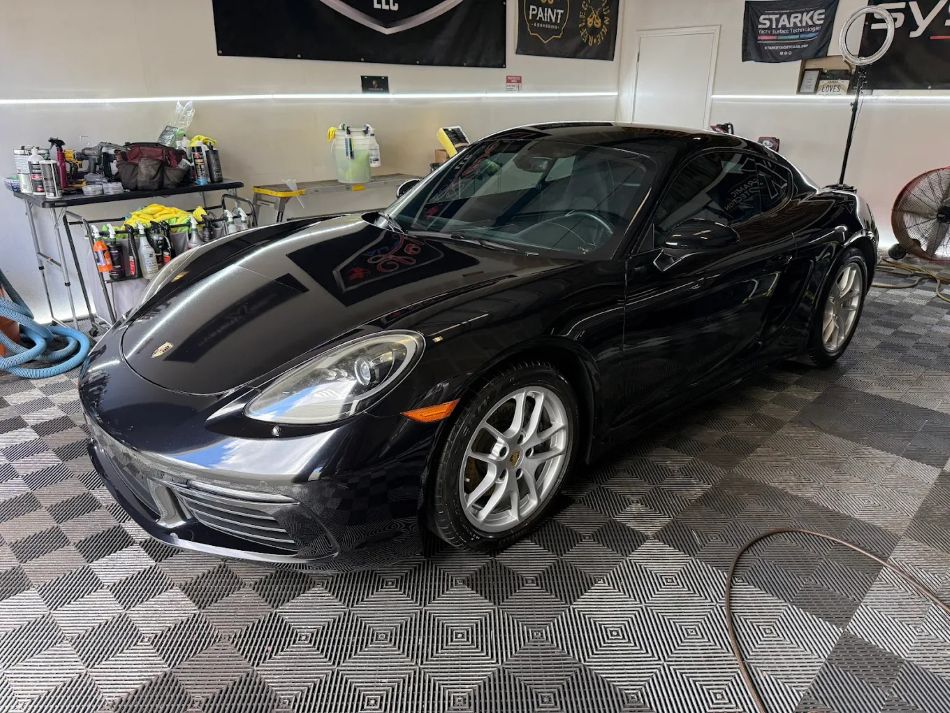
Can Ceramic Coating Reduce Exterior Maintenance?
Ceramic coating can make exterior maintenance easier because coated paint repels water and releases dirt more readily.
However, ceramic coating does not replace washing or interior detailing.
It protects painted surfaces, while sand, pet hair, spills, and odors inside the vehicle still require normal cleaning.
Frequently Asked Questions
How often should I detail my car in Hawaii?
Many daily-driven vehicles benefit from professional detailing every three to four months. Heavy beach and coastal exposure may justify an eight-to-twelve-week interval, while lightly used garage-kept vehicles may wait four to six months.
Does living near the beach require more frequent detailing?
Generally, yes. Salt exposure affects the exterior, while sand and damp beach equipment affect the interior.
Can regular washing extend the time between details?
Yes. Consistent washing, drying, vacuuming, and interior wipe-downs can reduce buildup between professional services.
What are the clearest signs that a vehicle needs detailing?
Dull paint, embedded sand, odors, sticky surfaces, stained upholstery, hazy glass, and stubborn wheel contamination are common signs.
Does ceramic coating eliminate the need for detailing?
No. It can make exterior care easier, but the vehicle still requires washing and the interior still requires cleaning.
How is a full detail different from a quick wash?
A wash focuses mainly on loose exterior dirt. Detailing addresses the vehicle more comprehensively and may include paint decontamination, wheel cleaning, interior cleaning, glass care, and other corrective services.
Which detailing package should I book?
The answer depends on whether your vehicle needs light maintenance, complete interior and exterior attention, or exterior-only service. Read our comparison of Mini Detail, Complete Detail, and Exterior Detail.
Schedule Auto Detailing in Kapolei
Your ideal detailing frequency depends on how the vehicle is parked, where it is driven, and how the interior is used.
Use three to four months as a general starting point, then adjust the interval based on your vehicle’s real condition.
Love’s Auto Detail serves vehicle owners throughout Kapolei, Pearl City, Waipahu, Ewa Beach, Waianae, Honolulu, and surrounding Oahu communities.
Explore professional auto detailing in Kapolei and choose the appropriate service for your vehicle.